
Thought provoking, unsettlingly tense yet frequently witty and playful, Ian Rickson’s production of the timeless Irish classic seems concerningly relevant in the political volatility of the pantomime of politics.

Courtesy of Catherine Ashmore.
Thought provoking, unsettlingly tense yet frequently witty and playful, Ian Rickson’s production of the timeless Irish classic seems concerningly relevant in the political volatility of the pantomime of politics.

Courtesy of Catherine Ashmore.
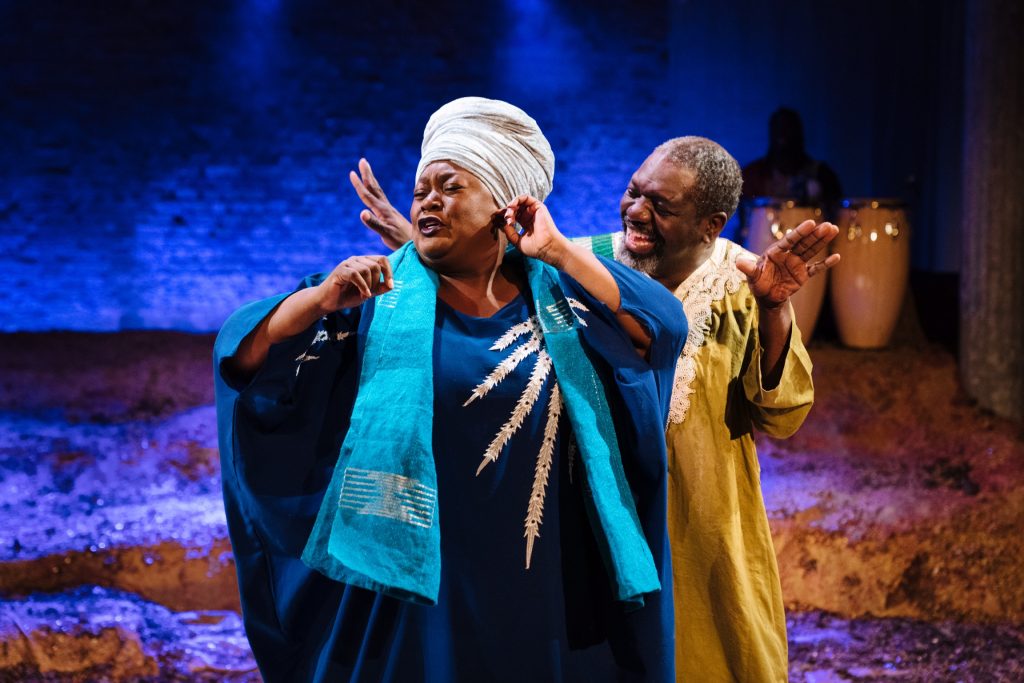
Nearly 60 years ago, Lyndon B. Johnson would become the 36th President of the United States (1963 to 1969). His presidency would witness the ‘War on Poverty’ – allowing for millions of Americans to earn above the poverty line and the signing of various Civil Rights bills banning racial discrimination. That moment in time would also witness the formation of the Civil Rights Movement – a fight for equal rights. Fast forward to 2019, and Donald Trump’s rhetoric couldn’t be anymore jarring from these efforts made in terms of bringing communities together. Controversial in his delivery and approach, there is no doubt that Trump is a polarising figure. Set in ‘69, yet resonant today, celebrated playwright August Wilson’s Pulitzer Prize nominated play Two Trains Running is adapted by the English Touring Theatre, and is currently on a UK tour. Taking on the role of Sterling, Michael Salami tells us more about the show.
The term ‘intersectionality’ – coined in 1989 by feminist scholar Kimberlé Williams refers to the ‘cumulative way in which the effects of multiple forms of discrimination (such as racism, sexism and classism) combine, overlap or intersect especially in the experiences of marginalized individuals or groups (Merriam- Webster). A term we find ourselves increasingly familiar with; a greater awareness is being brought towards the inequalities faced by particular communities.

Sharp movements and diverse creativity sees both these choreographic morsels take audiences on a journey through entrapment, as well as the power and purpose of identity.

We’re living in a transformative time whereby conservative values are being challenged and quite rightly being left behind in a forward thinking world. It was only last year that India abolished homosexuality within Section 377, a law that criminalised same sex relationships. Globally, shifts are happening, yet there is such a long way to go in terms of LGBTQ+ rights, however there’s a feel that positive change is on horizon.

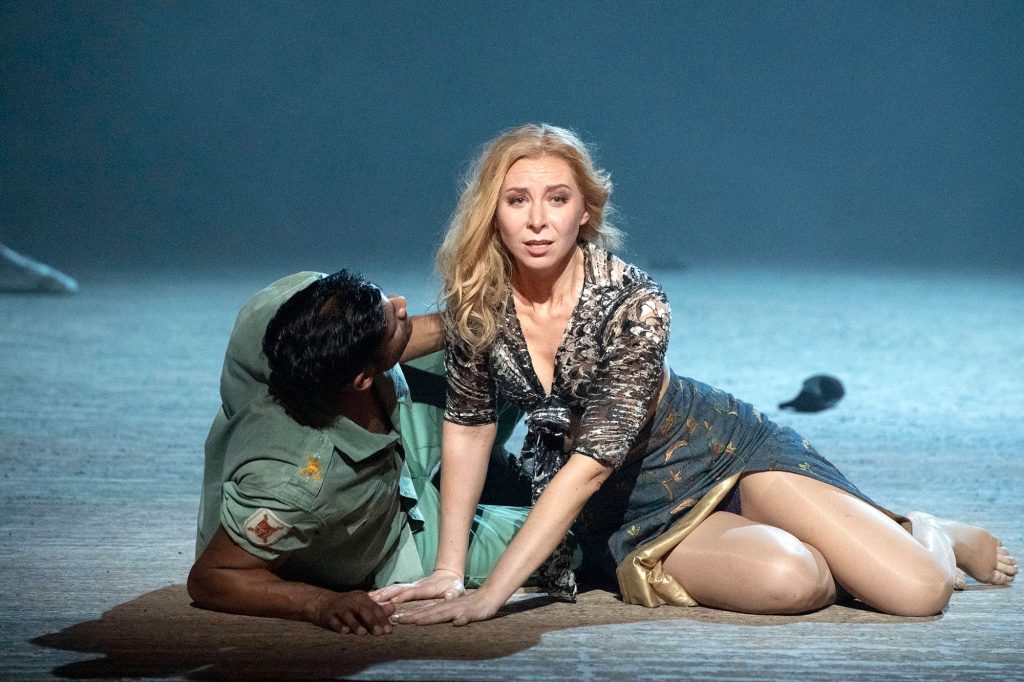
Just over 50 years ago would witness the end of the Civil Rights Movement, a movement fighting for the rights of African American citizens within the US. Although attitudinal shifts regarding race have moved on since, movements such as the Black Lives Matter movement still prove just how far society has to go in regards to rights and racial equality. We still live in a world whereby injustices happen daily, a stark reminder of the work that still needs to be done to enforce change and educate. Activist Amiri Bakari was celebrated for his works exploring racial equality, forcing audiences to think about themes such as intersectionality and privilege. Taking on the late playwright’s show ‘Dutchman’, actor and producer James Barnes takes on the play’s lead, Clay, showing at the Tristan Bates Theatre. James tells us more about the show.“I am the mother of the word” replied a voice immediately recognised by Alphonsine Mumureke, a 16 year old schoolgirl in attendance at Catholic boarding school Kibeho College – as that of the Virgin Mary. This however wouldn’t be the only encounter Alphonsine would have with her, the voice later going on to predict the Rwandan Genocide of 1994, resulting in the deaths of roughly 1 million people, a seventh of the overall population.

Courtesy of Manuel Harlan.
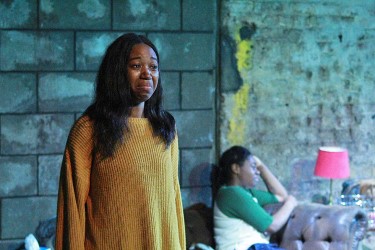
A beautifully intimate cry for help, User Not Found poses the question of the role technology plays within legacy and intimacy and touches on the dangerous impact that social media and isolation can have on mental health.

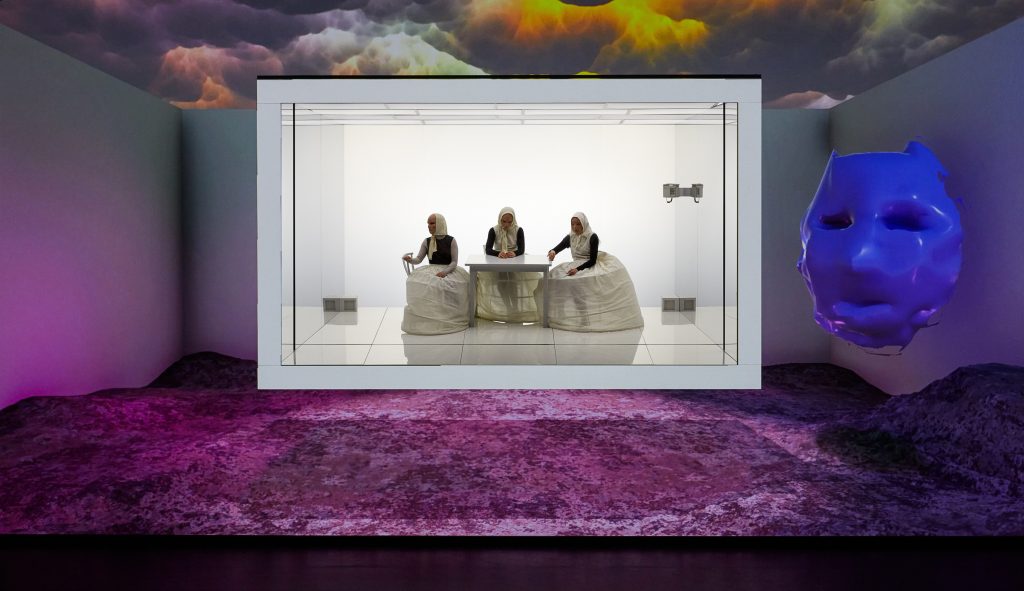
Having recently directed Ryan Trecartin’s The Re’Search and Eugène Labiche’s Trüffel Trüffel Trüffel at the Kammerspiele, Felix Rothenhäusler returns for his adaptation of Lars von Trier‘s apocalyptic film Melancholia (2011).

Courtesy Armin Smailovic
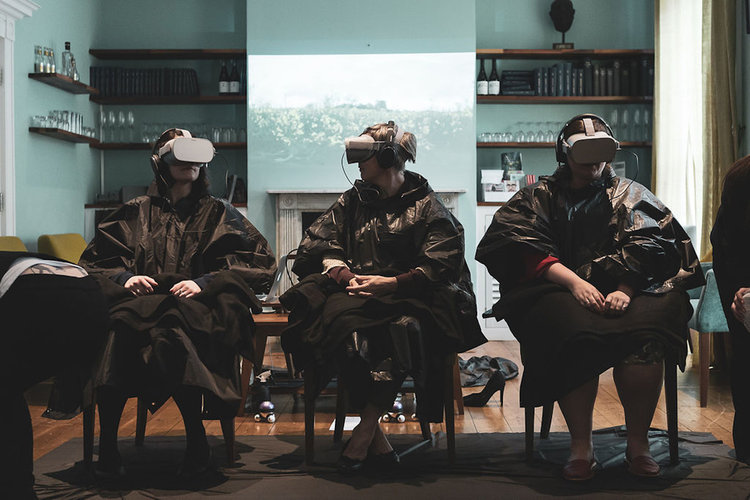
When between jobs and working in a pub one day, Richard Gadd never expected one kind action he made as a barman to lead to such an extensive series of events. Martha was this kooky enigma who appeared as initially harmless, but quickly became a huge problem, following Gadd everywhere – turning up at his gigs and house, attacking his girlfriend and harassing his friends.

Courtesy of Andrew Perry.